The short answer
Yes, EliteCore HVAC Solutions services Bell, about twelve miles east of Culver City, for AC repair, heating and furnace repair, installations, maintenance, duct cleaning and air quality. Inland heat is the main stress on local systems, so we focus on airflow, refrigerant charge and proper sizing.
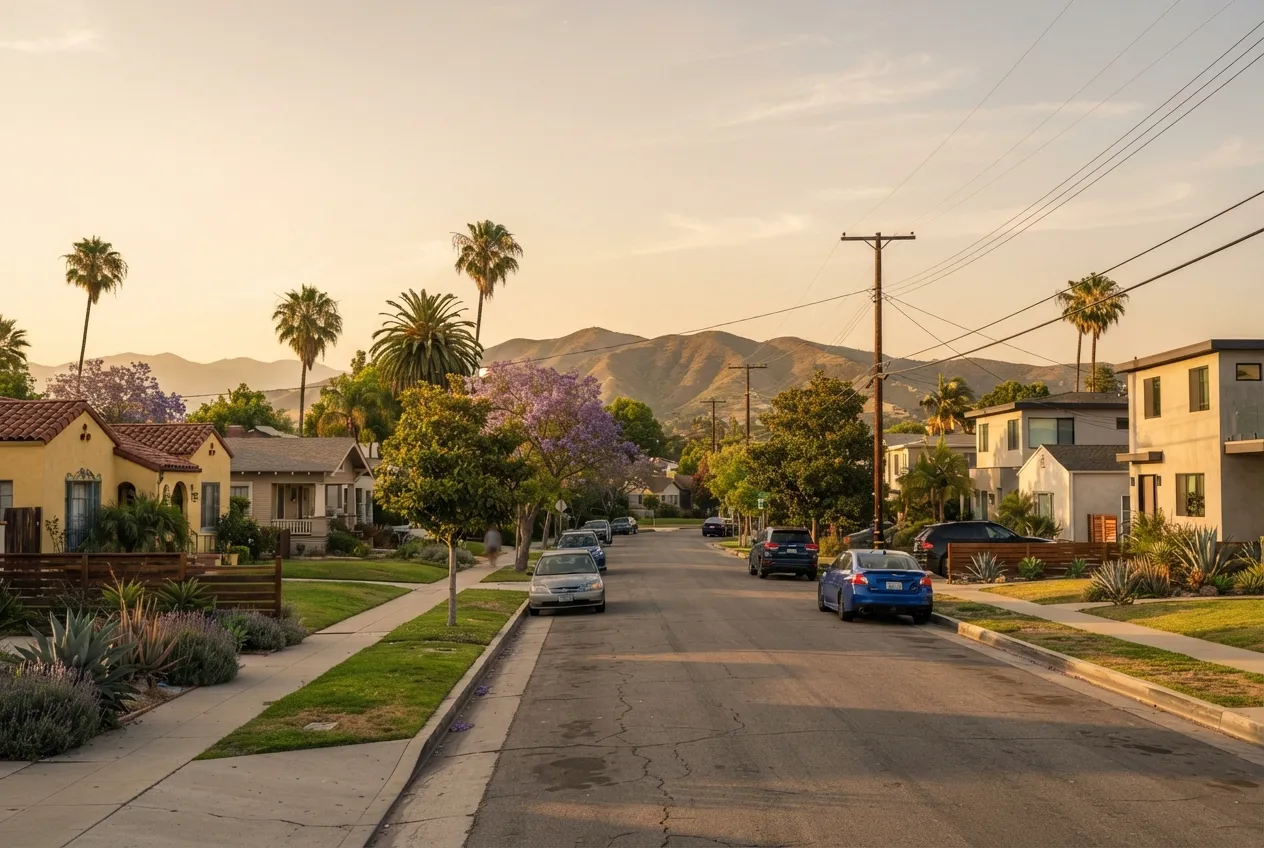
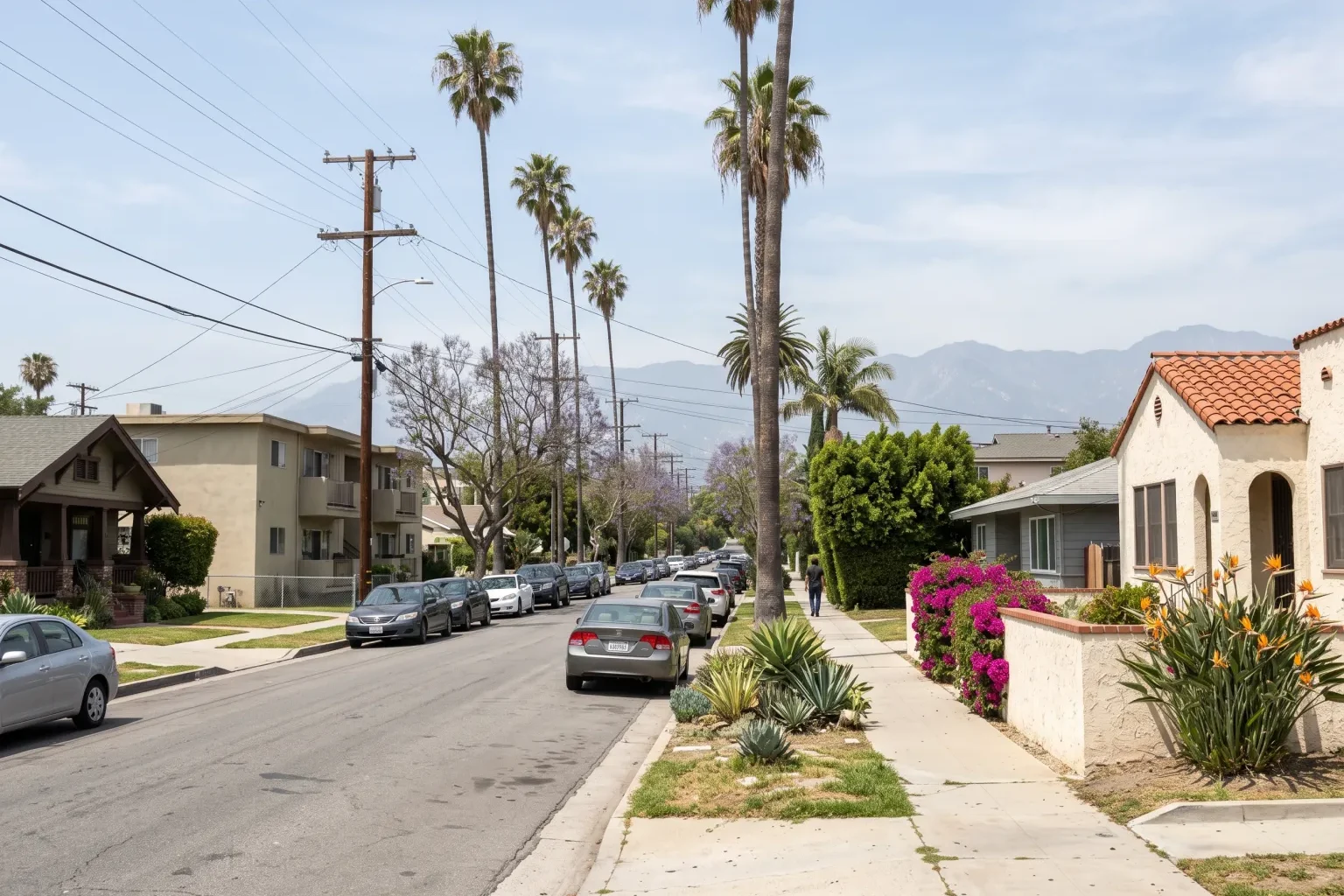
Head roughly twelve miles east from Culver City and the ocean breeze fades fast. Bell sits well inland in southeast Los Angeles County, and its summer afternoons regularly run noticeably warmer than ours on the Westside. That difference shapes almost every service call we take there: compressors working longer hours, attic ducts baking under the roof, and thermostats set lower than the equipment can comfortably reach. EliteCore HVAC Solutions repairs, maintains and installs cooling and heating systems for Bell homeowners, and we pair those visits with nearby work in Huntington Park, Gardena, Inglewood, Hawthorne and Lawndale. Below is what we see most often in the area and how we approach it.
Why Bell Runs Hotter Than Our Home Base
Los Angeles has a Mediterranean climate, dry in summer and mild in winter, but distance from the coast changes the experience dramatically. Neighborhoods farther inland heat up more during the day and hold that heat later into the evening. Add a fall Santa Ana event, with its hot and dry wind, and an air conditioner that coped fine in June can start losing ground in October.
Equipment that lives in this environment ages differently. Outdoor coils pick up more grime, capacitors wear out sooner from long run times, and refrigerant leaks that might go unnoticed in a mild town become obvious once the system cannot keep up. We build our Bell diagnostics around those stress points.
Signs Your Cooling System Is Falling Behind
Most failures announce themselves before the system quits entirely. If you notice any of the following, it is worth a call before the next heat wave instead of during it.
- The house never drops below a certain temperature by late afternoon, no matter the setting
- Supply vents blow air that feels cool but not cold
- Ice forms on the copper line near the outdoor unit or on the indoor coil
- The outdoor fan hums but does not spin, or spins slowly
- Electric bills climb even though your habits have not changed
- Water pools near the indoor unit or furnace closet
Homes Without Ductwork
Plenty of older Los Angeles houses were built with wall heaters or no central system at all, and owners have relied on window units for years. For those homes, a ductless mini-split is often a better path than tearing open ceilings to install new ducts. Each indoor head conditions its own room, the outdoor unit is compact, and the system can heat as well as cool.
We plan these installations room by room, looking at sun exposure, ceiling height and where the line set can run cleanly. The goal is quiet, even comfort without a wall of noisy window units.
Furnace and Heat Pump Decisions
Winters in Bell are short, but cold nights still happen, and a furnace that has sat for months needs attention before it is fired up. Our heating repairs cover ignition systems, flame sensors, inducer motors, limit switches and blower assemblies.
When replacement is on the table, two local factors come up. First, South Coast AQMD Rule 1111 restricts NOx emissions from natural-gas fan-type central furnaces and is being amended toward zero-emission requirements, with compliance dates the district sets and revises, so we check the current rule before recommending any gas unit. Second, utility incentives vary by address. Bell is outside the City of Los Angeles, and homes in that position are often on Southern California Edison rather than LADWP, which changes which heat pump rebates you can claim. We verify the active program for your property before it appears in any estimate. The federal 25C credit no longer applies to new heat pumps, since it covered only units placed in service before the end of 2025.
Keeping Indoor Air Clean
Inland dust and drifting wildfire smoke both end up inside if filtration is weak. We can upgrade filter racks, recommend higher-efficiency media that your blower can actually handle, and clean ducts when there is real buildup, debris or contamination worth removing. Regular maintenance visits include a filter check so airflow stays healthy through the hottest months.