The short answer
A heat pump replaces a furnace and air conditioner with one efficient electric system that suits Los Angeles weather. We assess your load, ducts and electrical panel, check which utility serves your address for rebates, and install, test and commission the system.
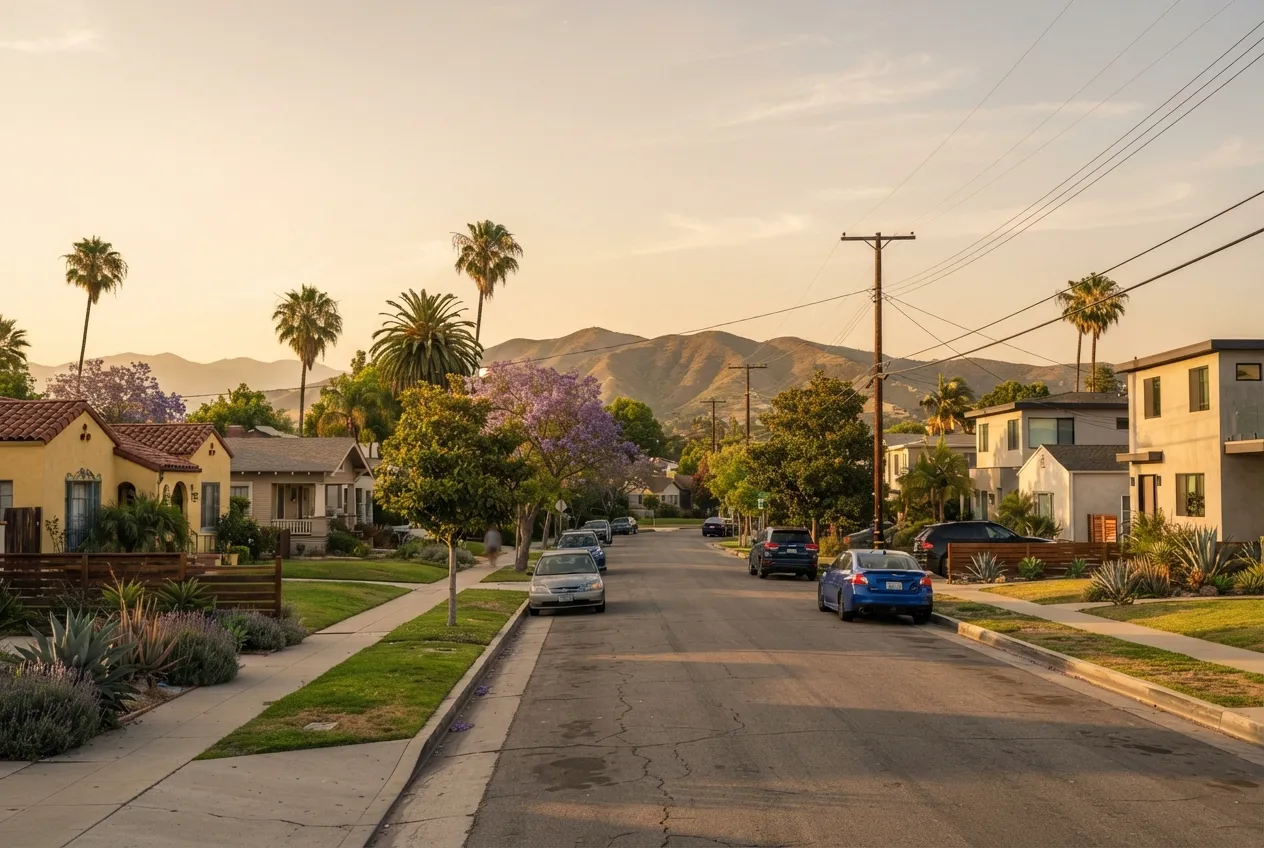
The Los Angeles climate is almost tailor-made for heat pumps. Summers are dry and warm, winters are mild, and a single electric system can handle both seasons without a gas burner in the closet. That is why more homeowners in Culver City and the nearby Westside neighborhoods ask us about replacing an aging furnace and air conditioner pair with one heat pump. EliteCore HVAC Solutions designs and installs ducted heat pumps for homes with existing ductwork, and we can pair them with ductless heads where certain rooms need their own control. Here is how to recognize that the time is right, what our assessment covers, how we approach a struggling existing heat pump, what moves the price of a project, and how the work proceeds.
When a Heat Pump Is Worth Considering
Homeowners usually arrive at this question from one of a few directions. Sometimes the central air conditioner has failed and they wonder whether to replace it with another AC or with equipment that heats as well. Sometimes an older gas furnace is due for retirement and the regional push toward cleaner heating has them curious about going electric. And sometimes they have added solar panels and want to use more of that power at home.
Any of the following situations is a good reason to get a heat pump assessment:
Inland and valley homes see much hotter summers than houses near the coast, and fall Santa Ana winds can push temperatures up suddenly even closer to the ocean. A heat pump sized for those warm spells, rather than for an average day, keeps the house comfortable when it matters most.
- Your central air conditioner is aging or needs a major repair such as a new compressor
- Your gas furnace is near the end of its service life and you want an electric alternative
- You are remodeling and would like one system for both heating and cooling
- Rooftop solar is installed or planned and you want to put that electricity to work
- An existing heat pump runs constantly, ices up or no longer keeps up in either season
- You want to reduce combustion appliances inside the home
Our Pre-Installation Assessment
Heat pumps are sensitive to sizing and airflow. A unit that is too large short-cycles and struggles to control humidity; one that is too small runs hard during hot inland afternoons or a cold January night. We start with a load calculation that accounts for floor area, ceiling height, insulation, window sizes and orientation, and the way your household uses the space.
Ductwork gets close attention. Many local homes have flexible ducts in the attic that were installed decades ago for a furnace, and heat pumps generally need more airflow across the indoor coil than older gas furnaces were designed for. We look for disconnected runs, crushed sections, missing insulation and undersized returns, because fixing these problems can make as much difference as the equipment itself.
On the electrical side, a heat pump draws more power than a gas furnace, and the panel needs room for the outdoor unit circuit and, if specified, backup electric heat strips. We also confirm a good spot for the outdoor unit, considering clearance, noise toward bedrooms and neighbors, and the refrigerant line route to the indoor air handler.
Servicing an Existing Heat Pump Versus Replacing It
If your home already has a heat pump, a performance drop does not automatically mean replacement. Faulty reversing valves, failed defrost controls, bad capacitors, refrigerant leaks and dirty coils are all things we can diagnose and often repair. A thorough service visit sometimes restores comfort that seemed long gone.
When the compressor has failed on an older unit, when the system uses a refrigerant that is being phased down and costly to service, or when it was oversized or undersized from day one, replacement tends to make more sense than repair. We outline both choices, including the likely life left in the current equipment, so you can weigh them on your own terms.
Rebates, Credits and Other Factors Behind the Price
We provide pricing after the assessment because the scope differs from one home to the next. The main factors are system capacity, efficiency ratings, whether the system uses a variable-speed compressor, the condition of the ducts, any electrical panel work, the location of the indoor air handler and the permits required.
Incentives depend on your utility. LADWP residential electric customers can apply for Consumer Rebate Program rebates on qualifying heat pump HVAC systems, with the amount based on the unit's SEER2 and HSPF2 ratings. The application is filed after the equipment is purchased and installed, and it must be submitted within twelve months of purchase. Many homes outside the City of Los Angeles are served by Southern California Edison rather than LADWP, so the rebate options available to you depend on the utility serving your address. We confirm the current offer before quoting it.
One note on federal incentives: the Energy Efficient Home Improvement Credit, known as 25C, covered qualifying heat pumps placed in service before December 31, 2025. It is not available for installations completed after that date, so we do not factor it into new proposals.
Installation Steps from Start to Finish
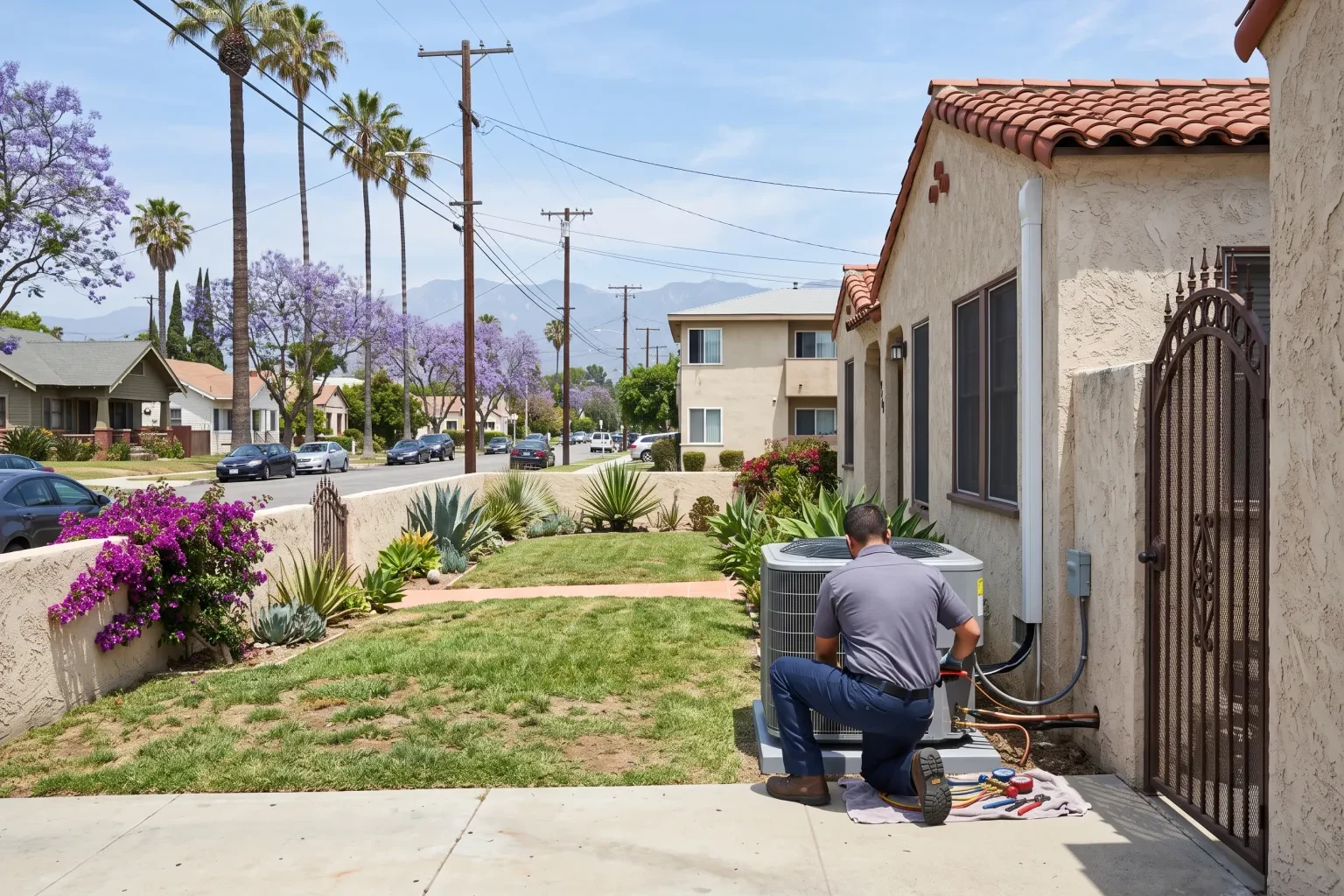
After you approve the proposal, we pull the permit and schedule the installation. The crew protects your floors, removes the old furnace, air conditioner or heat pump, and recovers any refrigerant according to regulations. The new indoor air handler or coil is set and connected to the existing ducts, with repairs or sealing completed as agreed.
Outside, we place the condenser on a level pad, run and braze new refrigerant lines or flush and reuse existing ones when suitable, and pull a deep vacuum before releasing the charge. Wiring, the condensate drain and the thermostat are connected next.
Commissioning is the final step. We verify refrigerant charge, measure airflow and temperature split in cooling mode, then switch to heating to confirm the reversing valve and defrost operation. Finally, we set up the thermostat with you, explain how heat pump heating feels different from a furnace's, and leave documentation you will need if you apply for a utility rebate.
Heat Pump Installation by city
- Heat Pump Installation in Los AngelesLocal service & repairs
- Heat Pump Installation in InglewoodLocal service & repairs
- Heat Pump Installation in Beverly HillsLocal service & repairs
- Heat Pump Installation in West HollywoodLocal service & repairs
- Heat Pump Installation in Santa MonicaLocal service & repairs
- Heat Pump Installation in HawthorneLocal service & repairs
- Heat Pump Installation in El SegundoLocal service & repairs
- Heat Pump Installation in Manhattan BeachLocal service & repairs
- Heat Pump Installation in LawndaleLocal service & repairs
- Heat Pump Installation in GardenaLocal service & repairs
- Heat Pump Installation in Hermosa BeachLocal service & repairs
- Heat Pump Installation in Huntington ParkLocal service & repairs