The short answer
El Segundo AC installations need right-sized equipment for mild coastal loads, corrosion-resistant outdoor units, and careful placement on compact lots. EliteCore designs the system, installs it, and verifies airflow and charge before handing it over.
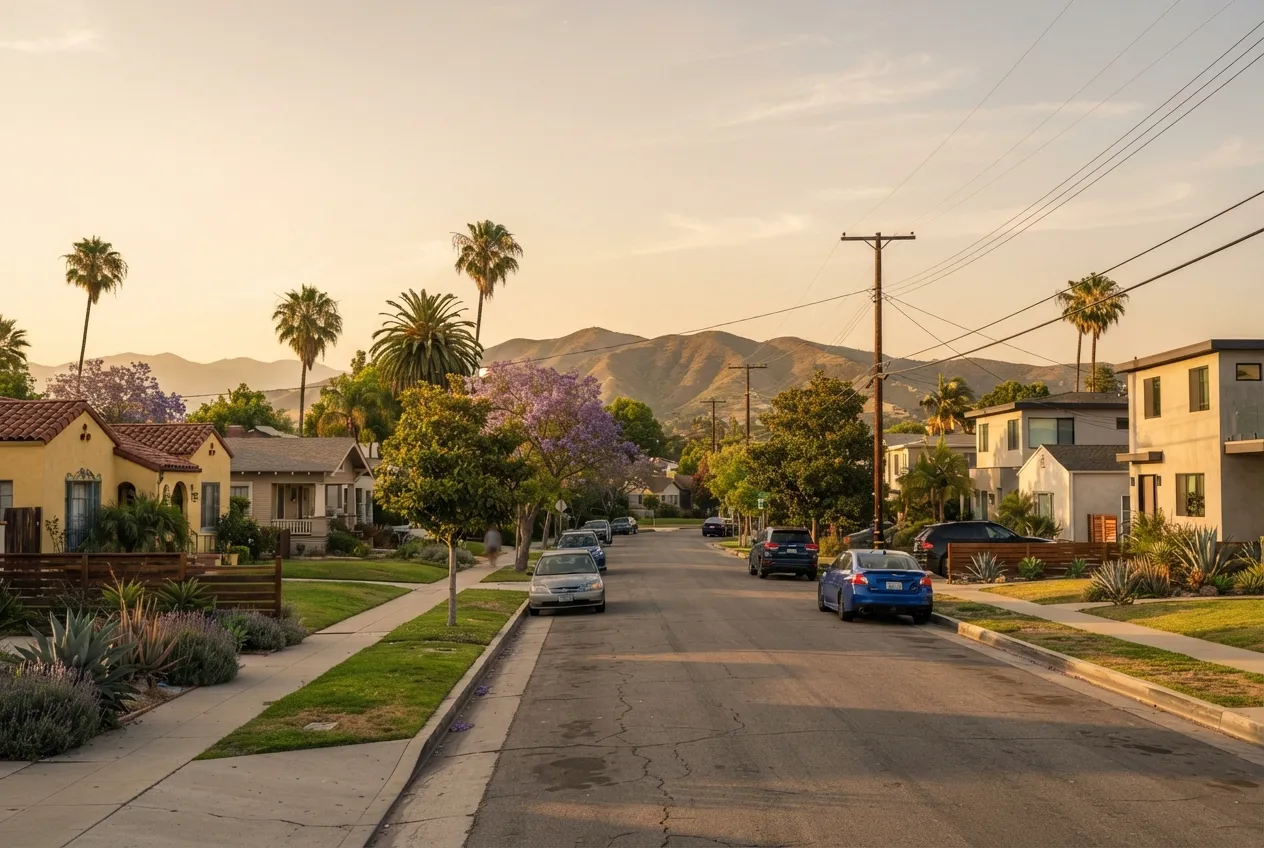
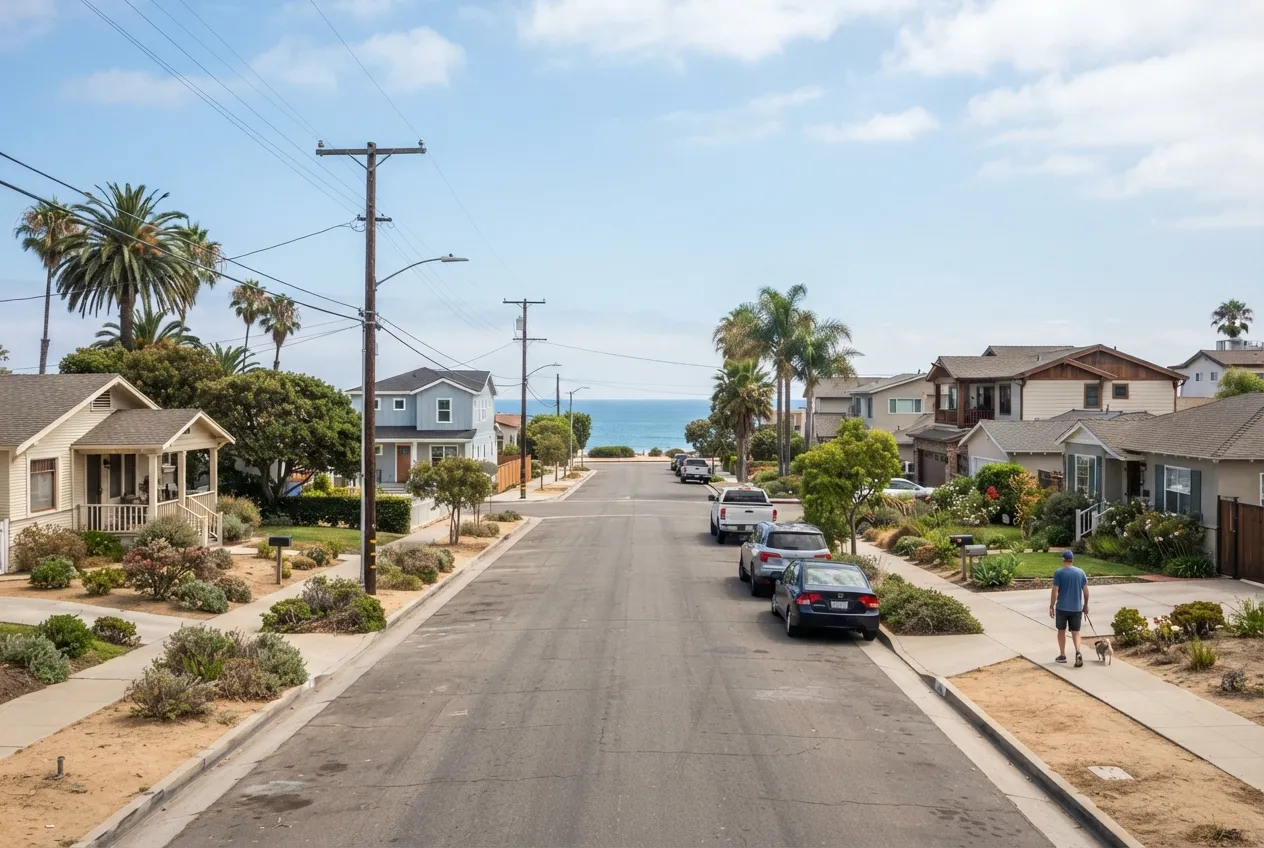
For a long time, plenty of houses in El Segundo got by without air conditioning. The ocean breeze did the work most of the year, and a fan in the bedroom covered the rest. That has been changing. Hotter late-summer stretches, fall Santa Ana winds that push dry inland heat right to the coast, and more people working from home have led many 90245 homeowners to ask about adding cooling for the first time. Others have an older system that is ready to be replaced. EliteCore HVAC Solutions installs central and ductless air conditioning in El Segundo, about seven miles south of our Culver City base. Coastal homes have their own needs: salt air that is hard on outdoor coils, compact lots where the condenser has to share a narrow side yard, and smaller houses where an oversized system would cycle constantly and leave the air clammy. We plan around all of that.
Coastal cooling loads are smaller than you might expect
A house near the beach rarely needs the same capacity as one of similar size in an inland valley. Los Angeles has a Mediterranean climate, and neighborhoods close to the water stay noticeably cooler in summer than the basin and valleys. Installers who size equipment by habit, or by copying an inland formula, often hand El Segundo homeowners a unit that is too big. Oversized systems cool the air quickly, shut off before they remove humidity, and start again a few minutes later. The result is a cold but sticky house and extra wear on the compressor.
We run a proper load calculation using your home's orientation, window area, insulation and occupancy. In many cases that points to a smaller unit, or to a variable-speed model that can idle along at low output on a typical day and ramp up during a heat event.
Protecting the outdoor unit from salt air
Marine air carries salt that settles on aluminum fins and copper tubing, slowly corroding the condenser coil. On homes within a short distance of the ocean, this can shorten equipment life noticeably if nothing is done about it.
- Choosing models with coated coils or corrosion-resistant construction where available.
- Placing the condenser where it is partly sheltered from direct onshore wind, without restricting airflow.
- Setting the unit on a raised pad so it stays clear of standing water and blown sand.
- Rinsing the coil gently with fresh water a few times a year, which we can show you how to do safely.
- Scheduling an annual inspection that includes a close look at fins, fasteners and electrical connections.
Bringing cooling into a house that never had it
If your home has a gas furnace with ductwork, adding AC can be fairly direct: we install an evaporator coil on the furnace, set a condenser outside and connect the two with a refrigerant line set. We still inspect the ducts, because heating ducts are sometimes too small to carry the higher airflow cooling requires, and an undersized return can starve the new system.
If the house relies on wall heaters or has no ducts at all, ductless mini-splits are often the cleaner choice. A single outdoor unit can serve several indoor heads, and line sets run through small wall penetrations rather than new duct chases. For a bungalow with a converted garage or a second-story addition, mixing a ducted system for the main floor with a ductless head upstairs is another practical option.
Working with compact El Segundo lots
Side yards here can be narrow, and neighbors are close. Before installation day we walk the property and agree on a condenser location that leaves clearance for airflow and service, keeps noise away from your bedrooms and your neighbor's, and complies with any city placement requirements. Quieter variable-speed units can help on tight lots. We also plan the condensate drain route and the electrical disconnect location so nothing ends up awkwardly exposed.
What the finished installation includes
Once equipment is set, we pressure test and evacuate the refrigerant lines, charge the system to the manufacturer's specification, and measure airflow at the air handler. A thermostat is installed and programmed, and we walk you through the settings. You will also get guidance on filter changes, coil rinsing and seasonal maintenance suited to a coastal home.
On rebates, El Segundo addresses are generally outside the City of Los Angeles, and which equipment rebates apply depends on the utility that serves your address. We confirm the current offer before including anything in a quote.
More services in El Segundo
- AC Repair in El SegundoLocal service & repairs
- Heating Repair in El SegundoLocal service & repairs
- Heat Pump Installation in El SegundoLocal service & repairs
- Furnace Repair in El SegundoLocal service & repairs