The short answer
EliteCore HVAC Solutions repairs gas furnaces in Hermosa Beach, CA by tracing which stage of the startup sequence fails, from the thermostat call to the blower. We also inspect venting and the heat exchanger, which coastal moisture can corrode.
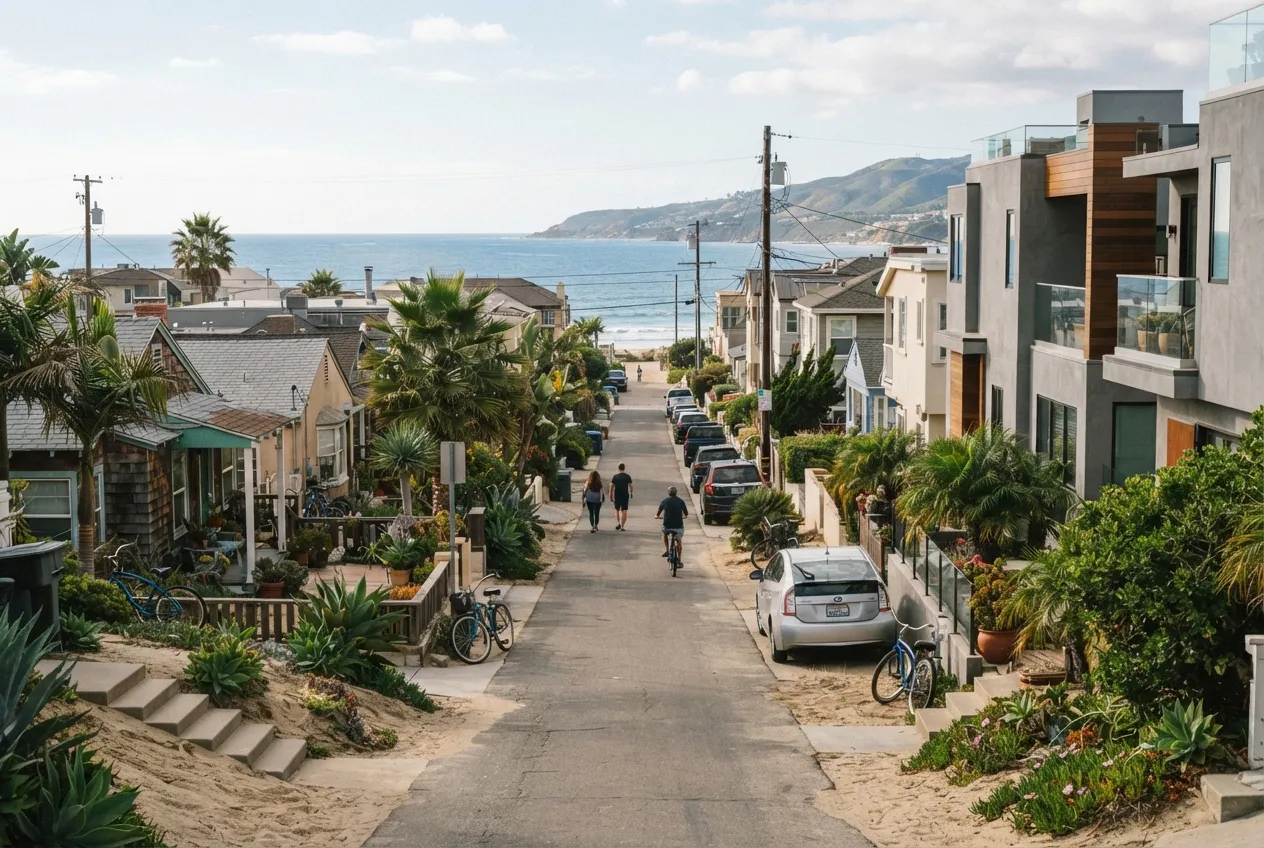
In many Hermosa Beach homes the furnace is the only piece of HVAC equipment in the house, and it earns its keep more often than people expect. Foggy evenings, damp mornings in late spring and the chill that rolls in off the water after sunset all send residents to the thermostat, sometimes even in months when inland neighborhoods are running their air conditioners. EliteCore HVAC Solutions repairs gas furnaces throughout ZIP 90254, about ten miles south of our Culver City base. Rather than list generic parts, this page follows the sequence a furnace runs every time it starts, because knowing which step fails is the fastest route to the right repair.
Step One: The Call for Heat
Everything starts at the thermostat, which sends a low-voltage signal to the furnace control board. If nothing happens at all, no hum and no click, the problem is often here: dead batteries, a loose wire, a blown low-voltage fuse on the board, or a door safety switch that is not pressed in because a panel was left ajar. These are quick checks, and they are the first ones our technician makes.
Step Two: Venting and Draft
Before any gas flows, the inducer motor spins up to clear the flue, and a pressure switch confirms that combustion gases have a path out of the house. Near the coast this stage fails more than you might think. Moisture can collect in the small rubber hose that feeds the switch, rust can block the switch port, and vent caps on the roof can corrode or get clogged by debris or nesting birds.
When the board flashes a pressure switch code, we do not simply replace the switch. We check the hose, the condensate trap on high-efficiency models, the inducer motor's speed and the full vent run, because a switch that will not close is often reporting a real venting problem.
Step Three: Ignition and Flame
With venting confirmed, the igniter heats up, the gas valve opens and the burners light. A flame sensor then proves the flame to the control board. Problems at this stage tend to look like this.
- The igniter never glows because it has cracked from age or been bumped during filter changes
- Burners light briefly, then shut off, because the flame sensor is coated and cannot prove the flame
- Ignition is delayed and loud, a sign of dirty or rusted burners that need cleaning
- Flames look lazy, yellow or uneven, which calls for a closer look at combustion air and the heat exchanger
- The furnace locks out after three tries and needs a reset to start again
Step Four: Moving the Warm Air
After the heat exchanger warms up, the blower carries heat through the ducts. If the burners run but the vents stay quiet, a failed blower motor, run capacitor or control relay is the likely cause. If the blower runs but the furnace keeps shutting off, the high-limit switch may be tripping because airflow is choked by a dirty filter, closed registers or a disconnected duct in the crawlspace or attic.
Many beach homes have furnaces in garages, under stairs or in small closets with limited return air. We check whether the unit can actually breathe, since a furnace that cannot draw enough air will overheat and cycle no matter how many parts are replaced.
Moisture, Corrosion and Safety
The same coastal humidity that rusts outdoor equipment also reaches furnaces in garages and crawlspaces. On every repair we look for corrosion on burners, the heat exchanger, the flue connection and the cabinet floor, and we check how combustion gases are drafting. Keep working carbon monoxide alarms near bedrooms, and if one sounds or you smell gas, leave the house and call the gas utility before calling us.
If a furnace is near the end of its life, keep in mind that South Coast AQMD Rule 1111 limits NOx emissions from natural-gas fan-type central furnaces sold and installed in the region and has been amended toward zero-emission requirements. The district sets and revises the compliance dates, so we check the current rule with you before recommending replacement equipment. In a mild coastal climate, a heat pump is often part of that conversation.
More services in Hermosa Beach
- AC Repair in Hermosa BeachLocal service & repairs
- Heating Repair in Hermosa BeachLocal service & repairs
- Heat Pump Installation in Hermosa BeachLocal service & repairs
- AC Installation in Hermosa BeachLocal service & repairs