
The short answer
If your AC fails in Huntington Park, check the thermostat, breaker, filter and outdoor unit first, then call for a diagnostic. EliteCore HVAC Solutions tests electrical parts, refrigerant and airflow to find the cause and explains the repair before starting.
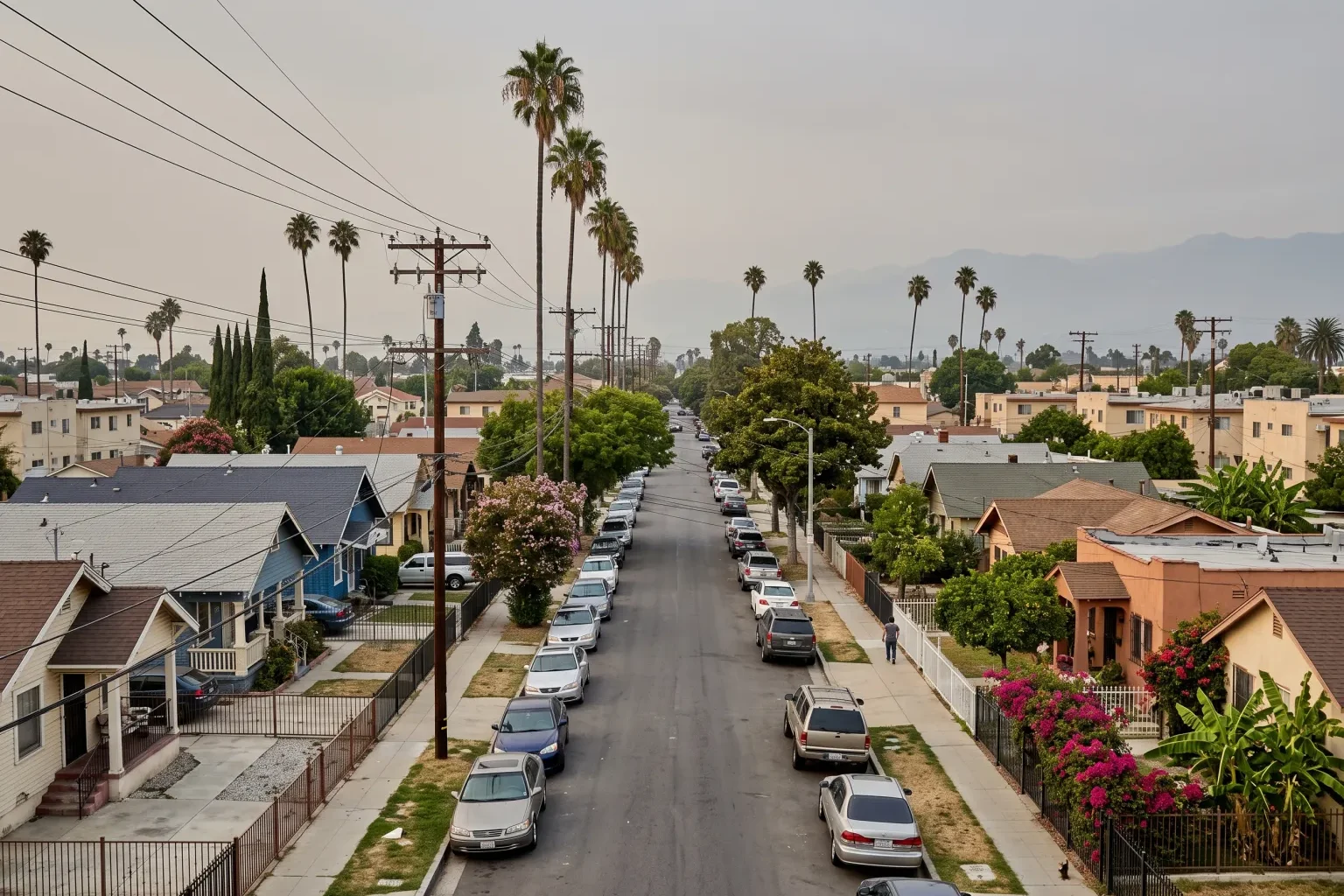
Ten miles east of Culver City, Huntington Park sits well inland, where a summer afternoon can feel like a different climate from the coast. Air conditioners there carry a heavier load for more of the year, and when one fails during a heat wave, the house warms quickly and stays warm overnight. EliteCore HVAC Solutions repairs central air conditioners, heat pumps and ductless systems throughout ZIP 90255. This page starts with what to do in the first hour after your cooling stops, then explains why inland equipment breaks the way it does and how our technicians track down the cause before recommending a fix.
The First Hour After the AC Quits
A few quick checks can sometimes restore cooling or at least help our technician arrive prepared. None of them require tools or opening the equipment.
- Make sure the thermostat is set to cool and the setpoint is below room temperature, and replace its batteries if the display is dim
- Look at the electrical panel for a tripped breaker labeled for the AC or furnace, and reset it once only
- Pull the indoor filter; a heavily clogged one can freeze the coil and stop airflow
- Check the outdoor unit for a running fan; if it hums without spinning, turn the system off to protect the compressor
- Look for water around the indoor unit or a full condensate pan, which can trigger a safety shutoff
- Close blinds on sun-facing windows and move vulnerable family members to the coolest room while you wait
Why Inland Systems Break in a Heat Wave
On a hot inland afternoon, a condenser has to reject heat into air that is already very warm, which drives up refrigerant pressures and compressor temperatures. Components that were marginal in May suddenly reach their limit. Run capacitors swell and lose capacity, contactor points pit and stick, and fan motors with worn bearings overheat and stop.
Dust is another factor. Outdoor units in dense neighborhoods collect grime from nearby traffic and yards, and a coated condenser coil cannot shed heat efficiently. Add a fall Santa Ana spell with hot, dry wind, and a system that seemed fine all summer can fail in a single afternoon.
Inside a Diagnostic Visit
Our technician starts by listening to what happened: whether the system stopped suddenly, faded gradually, or began cycling on and off. Then come the measurements. We check incoming voltage, test the capacitor against its rating, inspect the contactor, measure compressor and fan amperage, and read refrigerant pressures and temperatures to calculate superheat and subcooling.
Indoors we look at the blower, coil, drain and ductwork, and measure the temperature difference between return and supply air. That full picture keeps us from replacing a part that only looks guilty. You get a clear explanation of the fault and your options before any repair is made.
Older Equipment and Older Refrigerant
Some systems in the area are old enough to use a refrigerant that is no longer produced for new equipment. Repairs on those units are still possible, but a significant leak can make recharging costly and difficult. When we find that situation, we explain how much life the rest of the system likely has, so you can decide between a targeted repair now and planning a replacement on your own schedule rather than during the next heat wave.
If replacement makes sense, rebates depend on which utility serves your address. Huntington Park homes are often on Southern California Edison rather than LADWP, and we confirm the current offer before quoting it.
Ductwork and Airflow Problems
Not every hot house has a broken air conditioner. In compact older homes, attic ducts can be crushed, disconnected or simply too small to carry the airflow a cooling system needs. Single central returns in a hallway may starve the system of air when bedroom doors are closed. We check static pressure and inspect accessible duct runs when the equipment tests normal but the rooms still feel warm, and we suggest specific corrections, from sealing joints to adding a return path.
More services in Huntington Park
- Heating Repair in Huntington ParkLocal service & repairs
- Heat Pump Installation in Huntington ParkLocal service & repairs
- AC Installation in Huntington ParkLocal service & repairs
- Furnace Repair in Huntington ParkLocal service & repairs