The short answer
Installing AC in Los Angeles means fitting equipment to very different building types, from plaster-walled older homes to flat-roof multi-unit properties. We choose the system type, size and location for your specific building, handle permits, and help LADWP customers understand the heat pump rebate process.
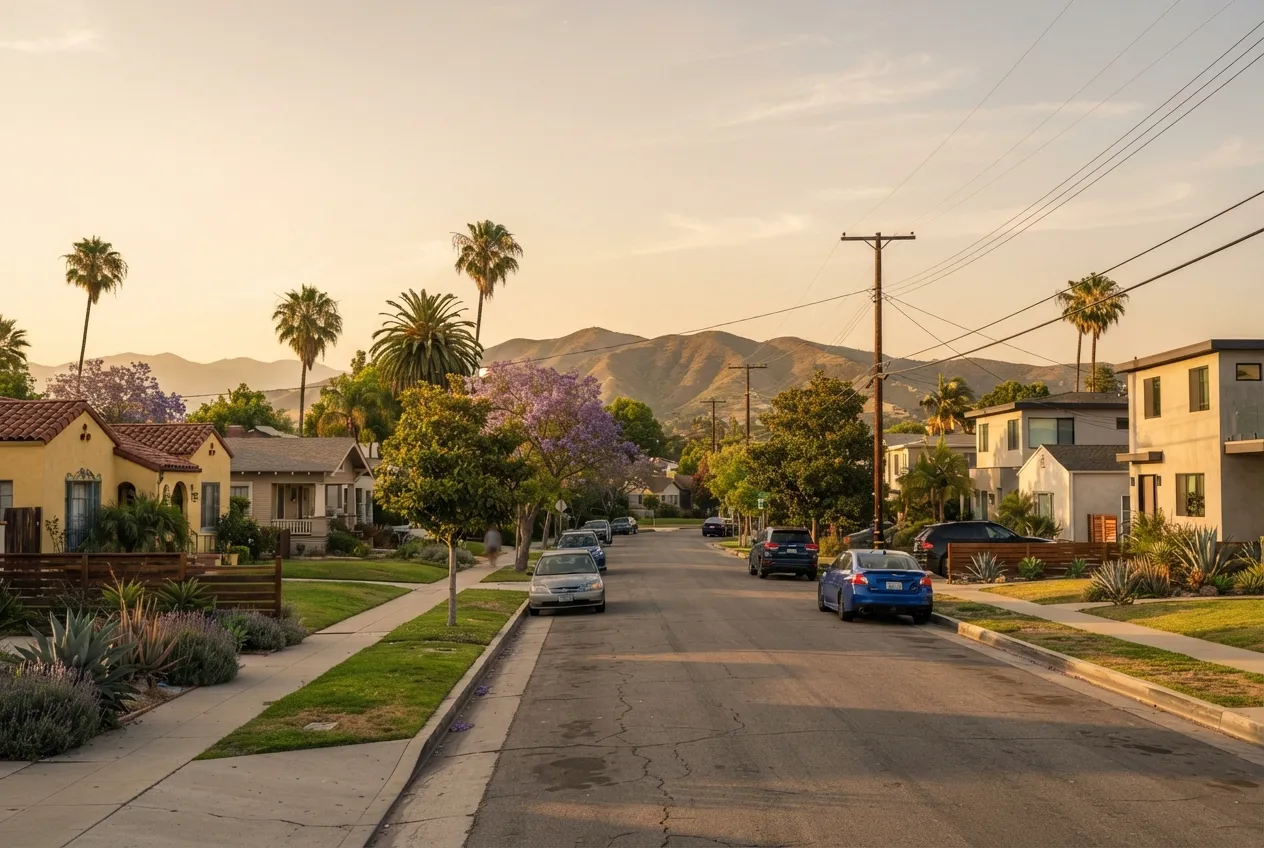
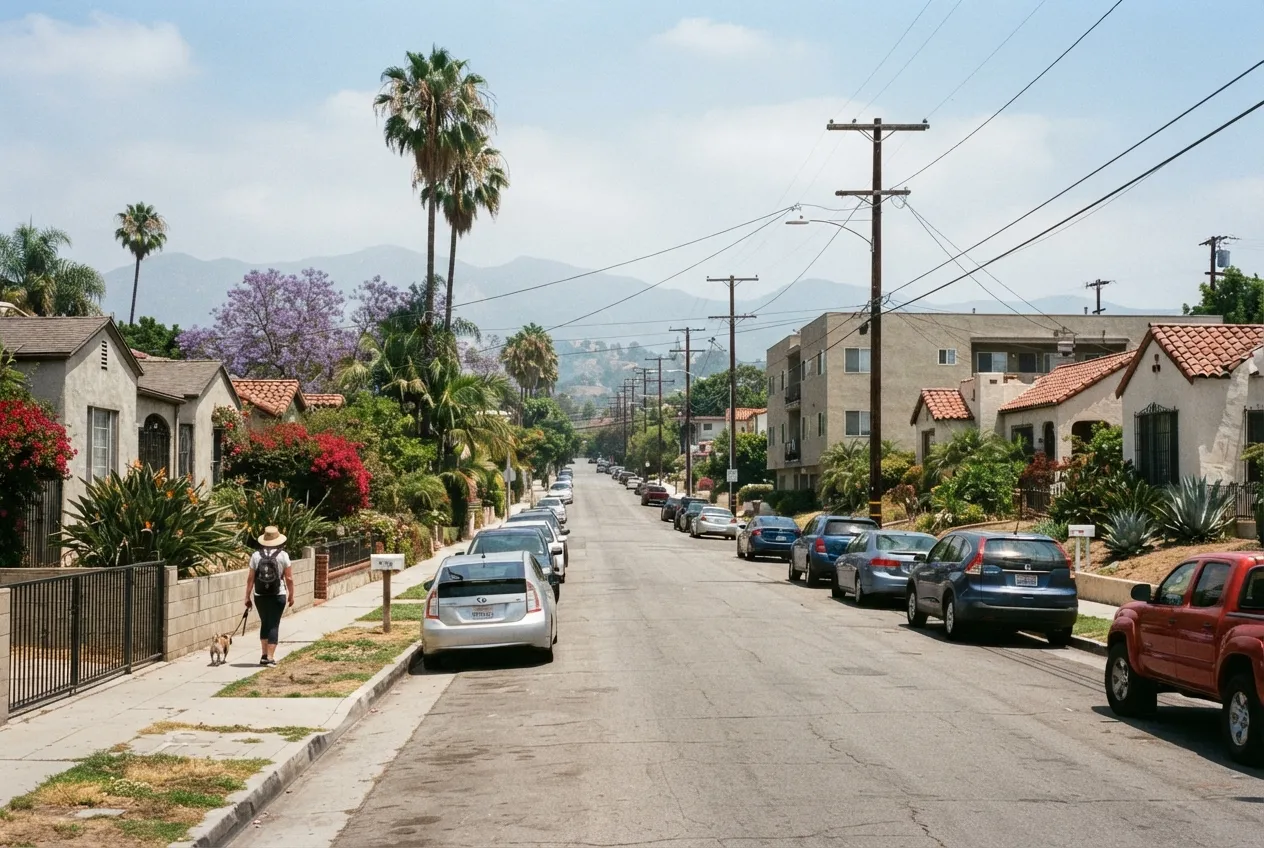
Culver City is surrounded on most sides by the City of Los Angeles, so our installers are working in LA neighborhoods nearly every week. The central and south parts of the city, covered by ZIP codes such as 90002 through 90012, hold an enormous range of homes: 1920s Craftsman and Spanish-style houses with plaster walls, postwar bungalows, duplexes and fourplexes, flat-roofed apartments and newer townhomes. A cooling system that works beautifully in one of these may be a poor match for the next. This page lays out how we design and install air conditioning for that variety, and what Los Angeles homeowners should weigh before signing off on new equipment.
Building type shapes the whole project
The first question on any Los Angeles install is not which brand to buy, but what the building allows. Each common housing style brings its own constraints, and planning around them early avoids change orders later.
- Older single-family homes with plaster walls and lath ceilings, where cutting new duct chases is messy and may disturb original finishes
- Houses with a raised foundation, where ducts can sometimes run through the crawlspace instead of a cramped attic
- Flat-roof buildings, which often suit a rooftop packaged unit or ductless condensers mounted on curbs
- Duplexes and small apartment buildings, where each unit may need its own system, its own electrical circuit and owner approval
- Condos and townhomes governed by HOA rules about where outdoor equipment can be placed
Central LA heat versus coastal breezes
Neighborhoods a few miles inland from the ocean, including much of central and south Los Angeles, warm up more than Santa Monica or the beach cities, and dense blocks with lots of pavement hold heat into the evening. Fall Santa Ana winds can push temperatures well above normal for days at a time.
Those conditions call for honest sizing. We run a room-by-room load calculation that reflects your windows, insulation, roof type and sun exposure. Upper-floor units under a dark flat roof need very different capacity from a shaded ground-floor bungalow, even when the square footage is similar.
Ducted, ductless or packaged
For homes that already have forced-air heat and sound ducts, a split system with a matched coil is usually the most economical route. Where ducts are missing or would require tearing into plaster, ductless mini-splits let us cool individual rooms through small wall penetrations. Rooftop packaged units, which combine all components in one cabinet, are common on flat-roof homes and small apartment buildings.
Many Los Angeles owners also choose a heat pump instead of cooling-only equipment, since it covers the city's mild winters as well. We explain each approach in terms of comfort, noise, appearance and disruption, then let you decide.
Electrical service, permits and inspections
Older Los Angeles homes frequently have small panels or aging wiring that cannot safely support a new compressor. We check the panel during the site visit and include any required electrical work in the plan, so it does not become a surprise mid-project.
Air conditioning installations require permits and inspections from the city. We prepare the application, schedule the inspection and meet the inspector on site. For multi-unit properties, we coordinate timing with owners and tenants to keep disruption short.
LADWP rebates and the expired federal credit
Residential customers of LADWP can apply for Consumer Rebate Program rebates on qualifying heat pump HVAC systems. The amount depends on the unit's SEER2 and HSPF2 ratings, and the application goes in after the equipment is purchased and installed, within twelve months of purchase. We help you choose qualifying equipment and keep the documents you need.
Not every address near the city line is served by LADWP, so we confirm your utility before discussing rebates. Also note that the federal 25C credit only covered heat pumps placed in service before December 31, 2025, and does not apply to installations after that date.
Close to every part of the city we serve
Because our base borders Los Angeles, getting to your home for a site visit is simple, and so is returning for a follow-up adjustment once you have lived with the new system for a few weeks. We also install cooling systems in Beverly Hills, Santa Monica, West Hollywood, Inglewood and El Segundo.
More services in Los Angeles
- AC Repair in Los AngelesLocal service & repairs
- Heating Repair in Los AngelesLocal service & repairs
- Heat Pump Installation in Los AngelesLocal service & repairs
- Furnace Repair in Los AngelesLocal service & repairs